Coconut fiber, also known as coir, presents unique handling challenges due to its low bulk density and high volume. This coconut fiber baler case study examines how LankaCoir Exports, a Sri Lankan coir processing company, transformed their operations using specialized coir fiber baling machine.
Understanding Coconut Fiber Characteristics
Physical Properties
Coconut fiber possesses distinct characteristics that affect processing and handling:
- Low bulk density: 60-120 kg/m³ in loose form
- High expansion: Fibers resist compression and spring back
- Moisture content: Typically 10-15% when properly dried
- Fiber length: 50-300mm depending on processing grade
- Dust generation: Fine particles create handling challenges
- Natural oils: Resinous content affects compression characteristics
Processing Challenges
These physical properties create specific operational difficulties:
- Storage inefficiency: Loose fiber requires 8-10 times more warehouse space than baled
- Transportation costs: Low density means shipping mostly air
- Handling complexity: Lightweight material is difficult to move and contain
- Quality degradation: Improper storage leads to moisture absorption and mold
- Loading inefficiency: Container utilization typically 30-40% with loose fiber
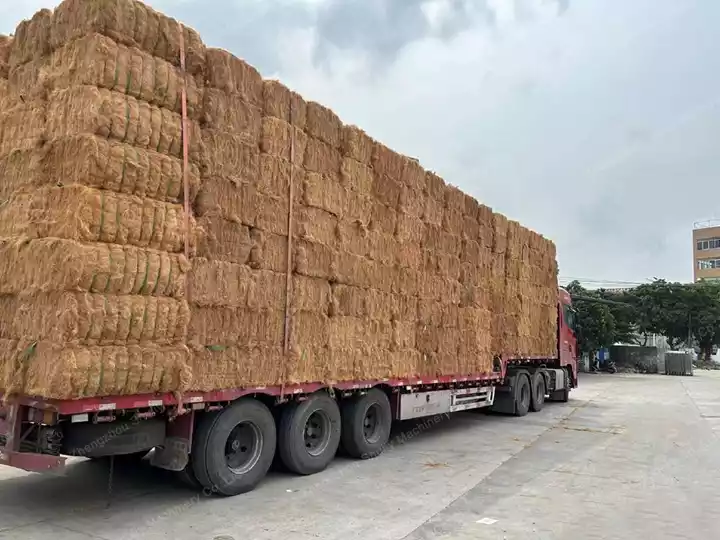
Client Background: LankaCoir Exports
LankaCoir Exports, established in 2005 in the coconut triangle region of Sri Lanka, processes approximately 800 tons of coconut fiber annually for export to Europe, North America, and Asia. The company produces multiple coir product grades:
- Bristle coir (long fibers for brushes and mats)
- Mattress coir (medium fibers for bedding)
- Mixture coir (short fibers for horticulture)
- Coir pith (dust for soil amendments)
Pre-Baling Operations
Before implementing mechanical baling, LankaCoir faced significant logistical challenges:
| Challenge | Impact | Monthly Cost |
|---|---|---|
| Warehouse space | 2,400 sqm required for 200-ton inventory | $4,800 rent |
| Container shipping | 3 containers needed per 20-ton order | $6,600 freight |
| Manual handling | 12 workers for loading/unloading | $3,600 labor |
| Material loss | 8% damage/spillage during handling | $4,800 waste |
Equipment Selection and Solution Design
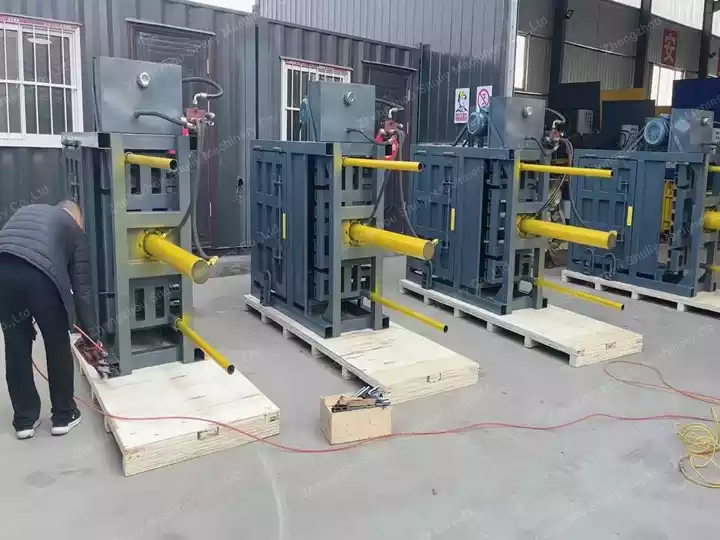
After evaluating multiple coir fiber baling solutions, LankaCoir selected our vertical hydraulic baler system specifically configured for coconut fiber processing.
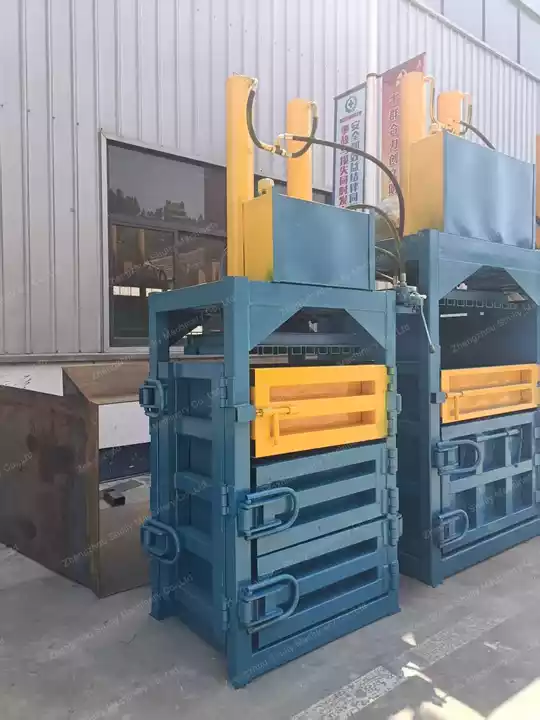
Equipment Configuration
| Equipment | Model | Specifications | Quantity |
|---|---|---|---|
| Vertical Hydraulic Baler | SL60T | 60-ton pressure, 1.5-2 tons/hour | 2 units |
| Conveyor Feeding System | Custom | 3-meter inclined conveyor | 2 units |
| Bale Strapping System | Manual | PP strap, 4 straps per bale | 2 sets |
| Total Investment | - | - | $18,500 |
Custom Features for Coir Processing
The coir fiber baling machine was configured with specific adaptations for coconut fiber:
- Extended compression stroke: Accommodates high-expansion fiber characteristics
- Enclosed chamber design: Contains dust and prevents fiber escape during compression
- Variable pressure control: Adjustable from 30-60 tons for different fiber grades
- Two-chamber configuration: Allows continuous operation while one chamber loads
- Anti-rebound latches: Maintain compression during strapping
- Corrosion-resistant coating: Protects against natural oils and moisture
Baling Process and Results
Compression Performance
The coir fiber baling machine achieved exceptional compression ratios with coconut fiber:
| Fiber Grade | Loose Density | Baled Density | Compression Ratio |
|---|---|---|---|
| Bristle coir | 85 kg/m³ | 420 kg/m³ | 4.9:1 |
| Mattress coir | 95 kg/m³ | 475 kg/m³ | 5.0:1 |
| Mixture coir | 110 kg/m³ | 550 kg/m³ | 5.0:1 |
| Average | 97 kg/m³ | 482 kg/m³ | 5.0:1 |
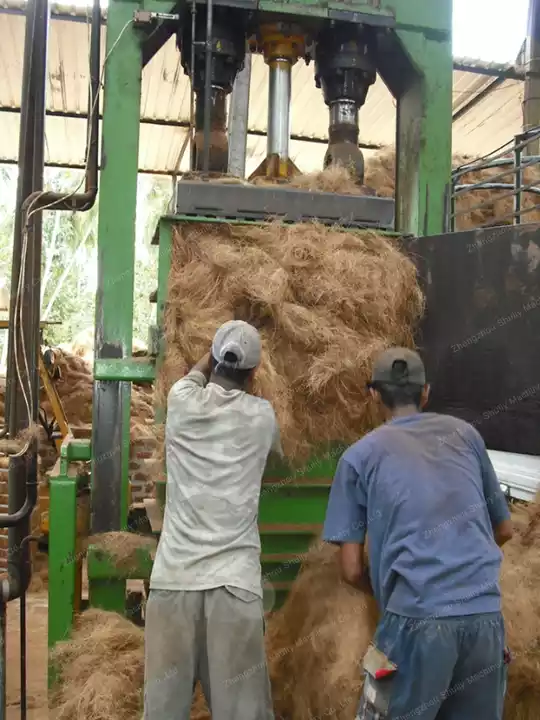
Bale Specifications
| Parameter | Specification |
|---|---|
| Bale dimensions | 1100mm × 800mm × variable height |
| Bale weight | 180-220 kg (adjustable) |
| Bale density | 450-550 kg/m³ |
| Strapping | 4 PP straps, 16mm width |
| Wrapping | Optional PE film for moisture protection |
| Production rate | 12-15 bales/hour per machine |
Operational Improvements
Storage Efficiency
The compression dramatically reduced storage requirements:
| Metric | Before Baling | After Baling | Improvement |
|---|---|---|---|
| Space per 100 tons | 1,200 sqm | 240 sqm | -80% |
| Monthly warehouse rent | $4,800 | $960 | -$3,840 |
| Inventory accessibility | Difficult | Organized stacks | Major improvement |
| Material protection | Exposed to elements | Wrapped bales | Quality preserved |
Transportation Benefits
Baling transformed shipping economics:
| Shipping Metric | Loose Fiber | Baled Fiber | Improvement |
|---|---|---|---|
| Container capacity | 8 tons | 20 tons | +150% |
| Containers per 20-ton order | 3 containers | 1 container | -67% |
| Shipping cost per ton | $330 | $165 | -50% |
| Loading time | 6 hours | 2 hours | -67% |
Handling Efficiency
- Labor reduction: Loading/unloading staff reduced from 12 to 4 workers
- Forklift efficiency: Standard bales enable mechanical handling throughout
- Damage reduction: Material loss decreased from 8% to 1.5%
- Loading safety: Standardized bales eliminate manual lifting injuries
- Inventory tracking: Bale counting replaces volume estimation
Financial Impact
Monthly Cost Savings
| Cost Category | Before | After | Monthly Savings |
|---|---|---|---|
| Warehouse rent | $4,800 | $960 | $3,840 |
| Shipping (20 tons) | $6,600 | $3,300 | $3,300 |
| Labor (loading) | $3,600 | $1,200 | $2,400 |
| Material loss | $4,800 | $900 | $3,900 |
| Total monthly savings | - | - | $13,440 |
Return on Investment
With total equipment investment of $18,500 and monthly savings of $13,440, the coir fiber baling machine achieved complete ROI in just 1.4 months. Annual savings exceed $161,000.
Quality and Customer Benefits
Product Quality Improvements
- Moisture protection: Wrapped bales maintain 10-12% moisture vs. 15-18% for loose storage
- Contamination prevention: Enclosed bales protect from dust and foreign materials
- Consistent presentation: Standard bales improve customer perception
- Easier inspection: Sample bales allow quality verification before shipment
Customer Feedback
“The baled coir has transformed our receiving operations. Previously, unloading loose fiber took an entire day with significant mess and waste. Now we receive neat, stackable bales that unload in two hours with virtually no loss. The consistent density also helps us plan our processing schedules more accurately.”
— German Import Partner, Mattress Manufacturing
Implementation Experience
“We hesitated about the investment, but the results exceeded our expectations. The balers paid for themselves in six weeks, and the operational improvements continue to deliver value. Our warehouse is now organized, shipping costs are halved, and customers appreciate the professional presentation. For any coir processor, mechanical baling is essential.”
— Sanjay Fernando, Operations Director, LankaCoir Exports
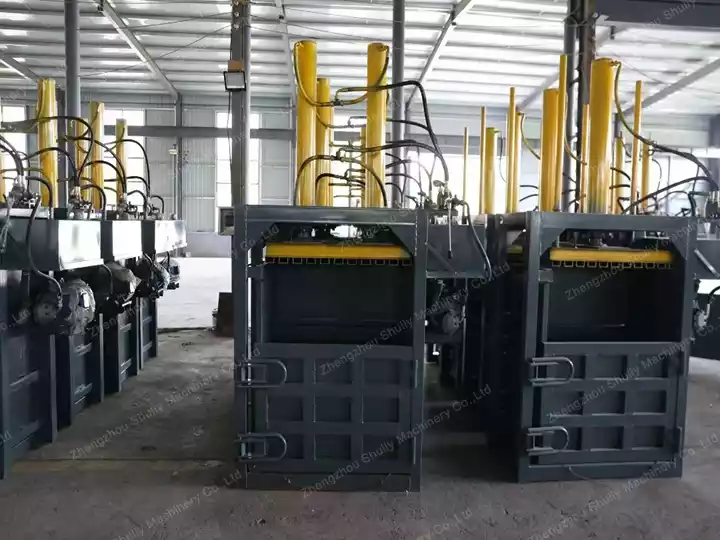
Implementation Timeline
| Phase | Duration | Activities |
|---|---|---|
| Installation | 3 days | Equipment positioning, electrical connections |
| Testing | 1 day | Pressure calibration, safety checks |
| Training | 2 days | Operator training, maintenance procedures |
| Production transition | 1 week | Gradual shift from loose to baled output |
| Full operation | Ongoing | All fiber now baled before storage/shipping |
Technical Considerations for Coir Baling
Optimal Baling Parameters
Based on operational experience, these settings optimize coconut fiber processing:
- Compression pressure: 50-60 tons for maximum density without fiber damage
- Compression time: 45-60 seconds for full densification
- Fiber moisture: 10-15% optimal for compression and storage stability
- Bale weight: 180-220 kg for manageable handling
- Strapping tension: Medium tension to prevent strap cutting into bale
Maintenance Requirements
Regular maintenance ensures consistent performance:
- Daily: Clean chamber, check hydraulic fluid level
- Weekly: Inspect strapping system, lubricate moving parts
- Monthly: Check hydraulic hoses, filter replacement
- Quarterly: Hydraulic oil analysis, pressure calibration
Recommendations for Coir Processors
Based on this successful coconut fiber baler case implementation:
- Calculate true costs of loose fiber handling including storage, shipping, and waste
- Choose balers with sufficient pressure (60-ton minimum) for coir compression
- Ensure proper fiber drying (10-15% moisture) before baling
- Plan bale size for standard pallet dimensions and container widths
- Consider two-chamber balers for continuous operation
- Invest in proper operator training for safety and efficiency
- Maintain strict preventive maintenance schedules
Conclusion
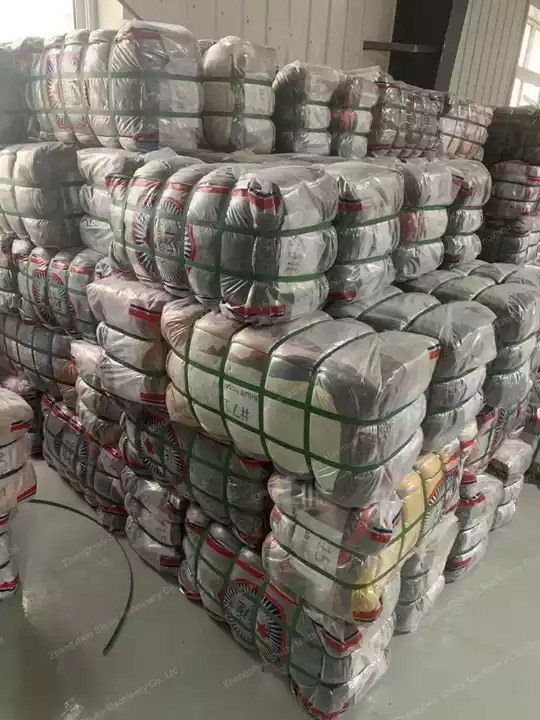
LankaCoir Exports’ experience demonstrates that coir fiber balingmachine is transformative for coconut fiber processors. The 5:1 compression ratio, combined with dramatic storage and shipping savings, creates compelling economics while improving product quality and customer satisfaction.
For coconut fiber producers facing storage constraints and high logistics costs, investing in vertical hydraulic balers offers rapid payback and sustained operational improvements. The technology transforms coir from a difficult-to-handle bulk commodity into a efficiently managed, professional product ready for global markets.
Recommended Equipment for Coconut Fiber Processing
- Vertical Hydraulic Baler - 60-ton pressure for coir compression
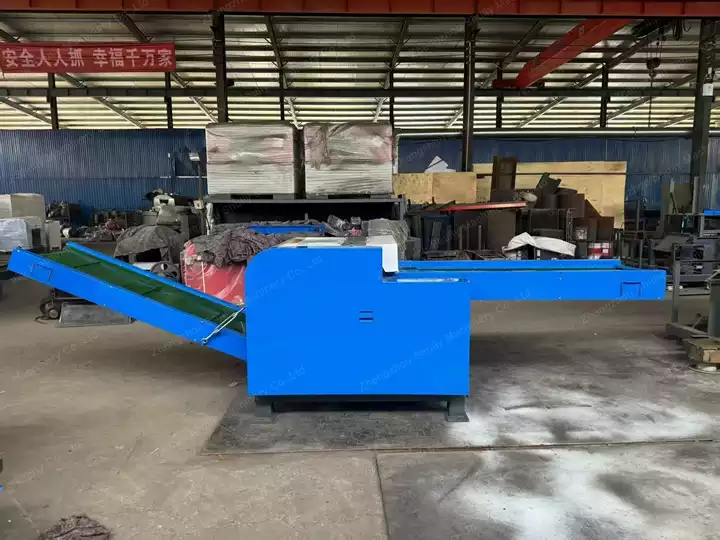
- Textile Fiber Cutting Machine - For initial fiber sizing
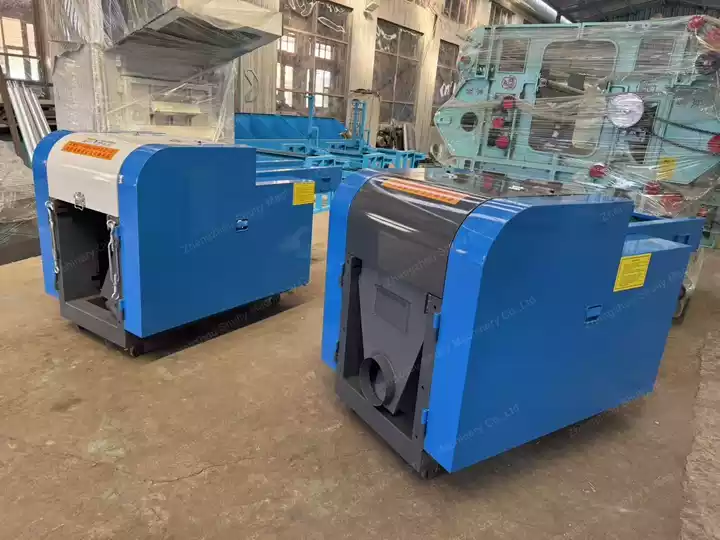
- Fiber Cotton Opener - For fiber cleaning and preparation
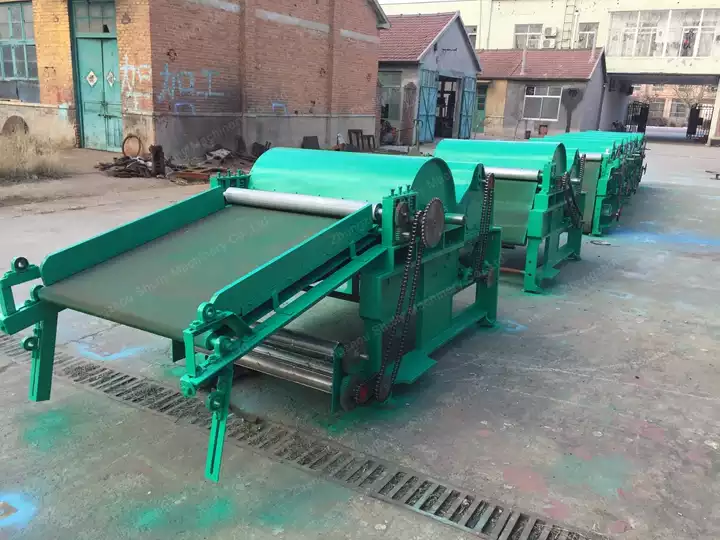
- Complete Processing Line - Integrated coir processing solution